



Testosterone Replacement Therapy
What is Testosterone Replacement Therapy (TRT)?
Testosterone contributes to sexual function, bone and muscle health, red blood cell production, and other physiologic processes. Symptoms associated with low testosterone can also have many other causes.
Male hypogonadism is diagnosed from compatible symptoms or signs together with consistently low testosterone measured using appropriate testing. A clinician should confirm the result and evaluate the underlying cause before discussing treatment.
Slide 1 of 3
Signs That Warrant a Clinical Conversation
Symptoms associated with low testosterone are nonspecific and can occur with sleep disorders, medication effects, obesity, depression, chronic illness, and other conditions. Persistent changes may justify a professional medical evaluation. Possible symptoms or signs include:

Persistent Fatigue
Energy and drive that have been flat for a sustained period.
Mood and Cognitive Changes
Trouble holding focus, a persistent sense of mental fog, or unusual sluggishness.
Physical Changes
Changes in build that diet and training do not account for, whether added fat or lean tissue that is harder to keep.
Decreased Vitality
A broad flattening of well-being, including reduced interest in sex.
Treatment may improve selected symptoms for some patients with confirmed hypogonadism, but results vary and the potential benefits must be weighed against contraindications, adverse effects, fertility goals, and monitoring requirements.
What a Medically Managed Course Looks Like
Hormonal health is complex. Testosterone therapy is a prescription treatment that may be considered for an appropriately diagnosed patient after contraindications, alternatives, fertility plans, and monitoring needs have been reviewed.
Handled properly, the pathway runs as follows:
Clinical Evaluation
A clinician works through your medical history, current medicines, and present health picture.
Diagnostic Testing
Accurate early-morning testing is generally repeated, with additional evaluation selected according to the clinical picture.
Shared Treatment Decision
If hypogonadism is confirmed, a clinician discusses options, expected benefits, risks, fertility implications, and follow-up before prescribing.

The Importance of Professional Oversight
Individual risks and treatment response vary. Medical supervision supports appropriate diagnosis, product selection, informed consent, follow-up testing, and response to adverse effects, but it cannot eliminate every risk.
Add-on medications, vitamins, or supplements should be used only for a separate documented indication. They should not be presented as routinely necessary to make testosterone therapy safe or effective.
Considering Treatment
Testosterone therapy is not a general wellness or anti-aging treatment. A treatment decision should follow an appropriate diagnosis and an individualized discussion of expected benefits, alternatives, risks, and monitoring.
If you have persistent symptoms, a licensed clinician can determine whether testing, treatment of another condition, lifestyle support, or referral is the appropriate next step.
Testosterone therapy may be considered for men with compatible symptoms or signs and consistently low testosterone caused by an established disorder. Age alone or one low laboratory result does not establish the diagnosis.
How Testosterone Deficiency Is Confirmed
Clinical guidelines recommend confirming testosterone deficiency with accurate testing, generally including two early-morning measurements, and evaluating the underlying cause. Free testosterone and additional testing may be appropriate in selected circumstances.
Symptoms reported alongside low testosterone include:
- Tiredness that persists regardless of rest.
- Lower sexual interest, or difficulty with sexual function.
- Lean tissue that is harder to hold, with fat accumulating in its place.
- Changes in mood, ranging from a shorter temper to signs of depression.
- Reduced bone mineral density.
How Treatment Is Given and Tracked
Testosterone is a controlled substance, so only a licensed provider may prescribe it and supervise its use. No single protocol suits every patient; the plan is built around your own laboratory results and clinical background.
Therapy may be administered through various methods, including:
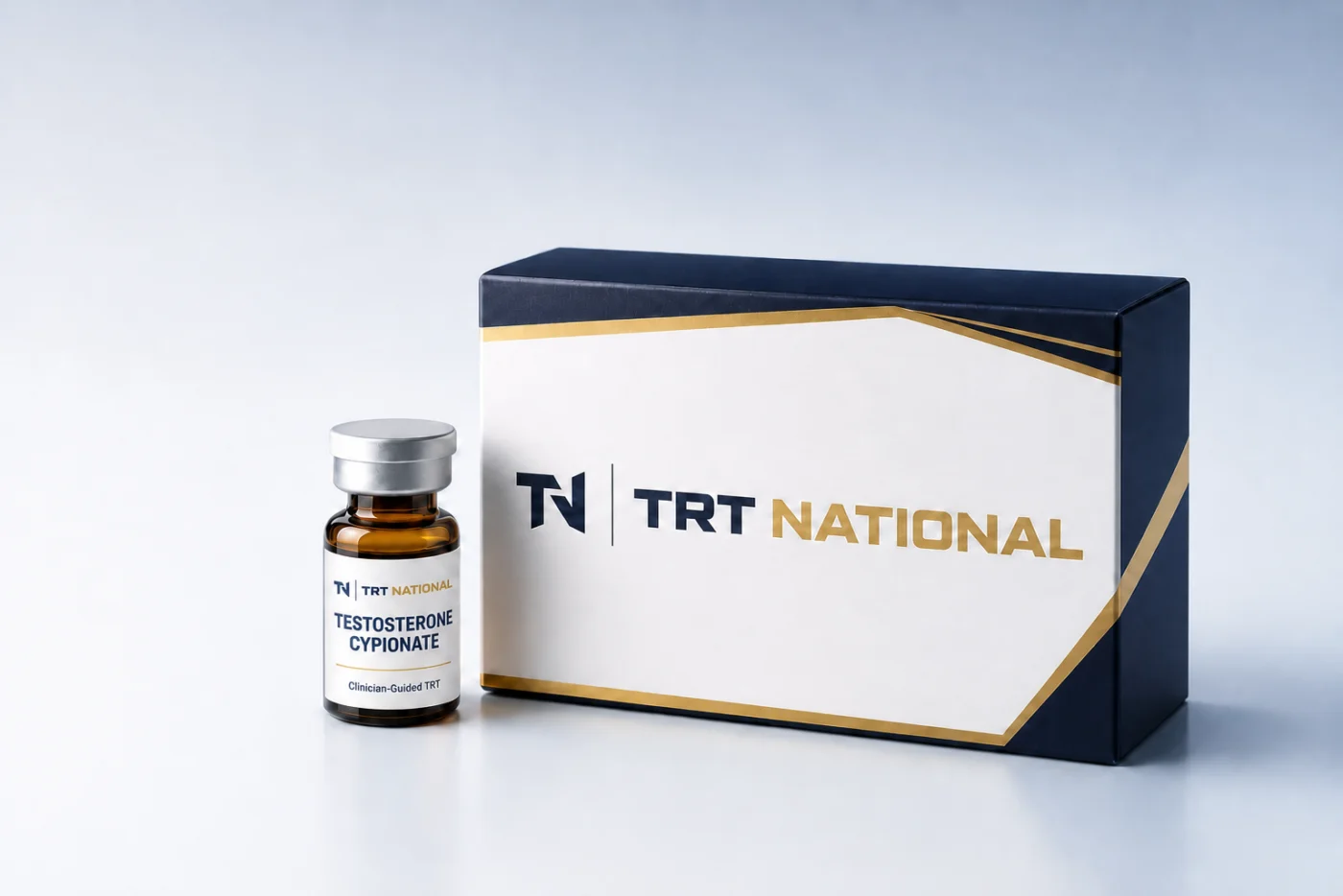
Injectable Products
Each injectable formulation carries its own route of administration and dosing interval.
Transdermal Products
Gels, solutions, and patches each carry their own application steps, along with precautions against transferring the drug to others.
Oral, Nasal, and Buccal Products
FDA-approved products exist for certain patients and have route-specific instructions and risks.
Implants
Longer-acting pellets are placed during a minor procedure and bring benefits and risks particular to that format.
Follow-up is used to assess symptoms, adverse effects, testosterone levels, hematocrit, blood pressure, and other clinically indicated measures. Product labeling and the treating clinician determine the schedule.
Risks, Side Effects, and What to Watch For
Where a deficiency has been properly confirmed, therapy can help. It also carries risk, and those risks belong in the conversation before anything is prescribed. Reported side effects and complications include:

Polycythemia
A rise in red blood cell concentration.
Acne or Skin Reactions
Sleep Apnea Exacerbation
Reduced Sperm Production or Infertility
Fluid Retention
Testosterone products carry formulation-specific warnings and require individualized review of cardiovascular, blood-pressure, hematologic, prostate, breast, sleep, fertility, and other health factors.
TRT is a medical intervention, not a general anti-aging supplement. A licensed clinician should confirm the diagnosis and determine whether the expected benefits outweigh the potential risks for the individual patient.
Set out below is a side-by-side view of the two ester formulations most often used under medical supervision.